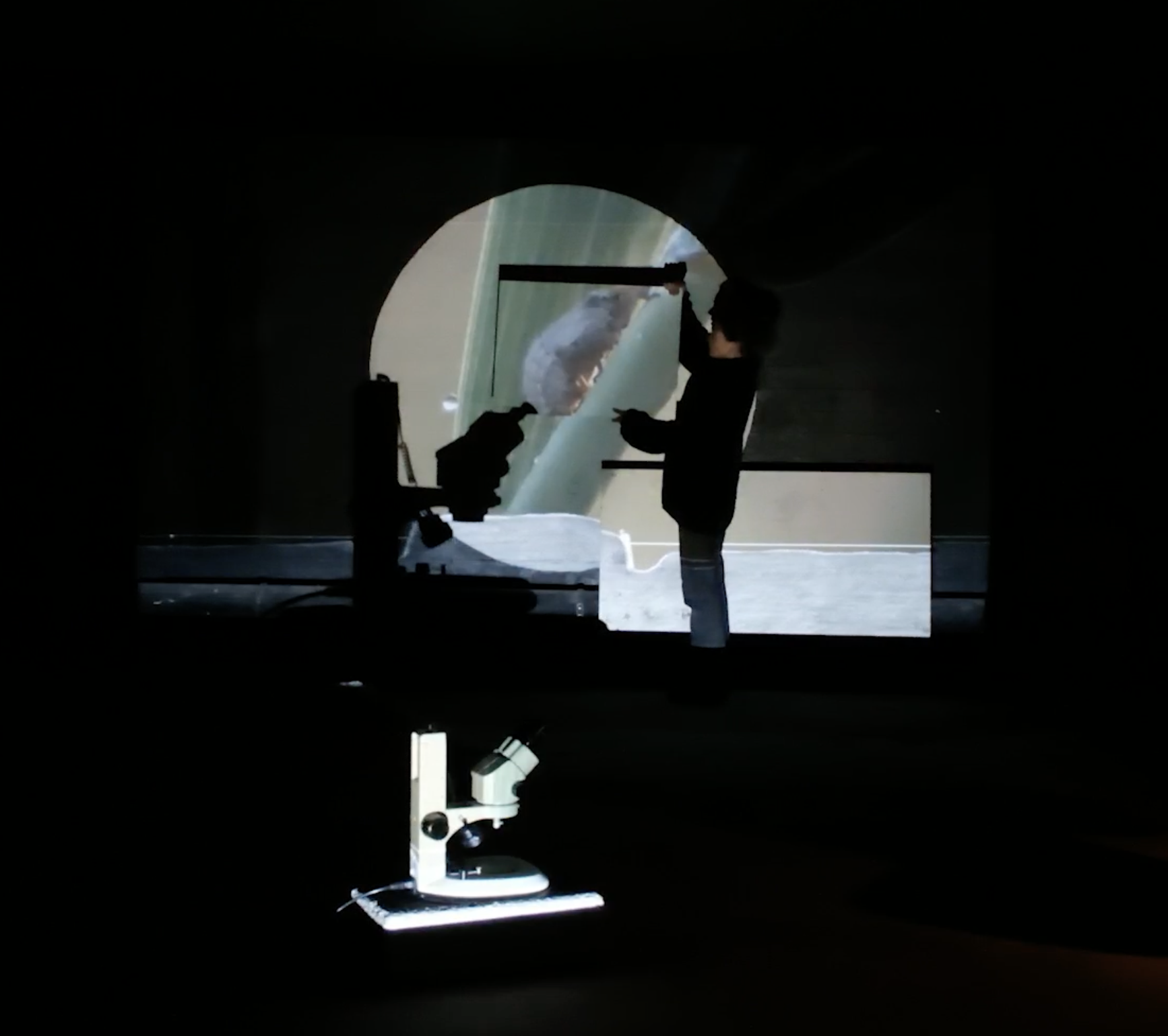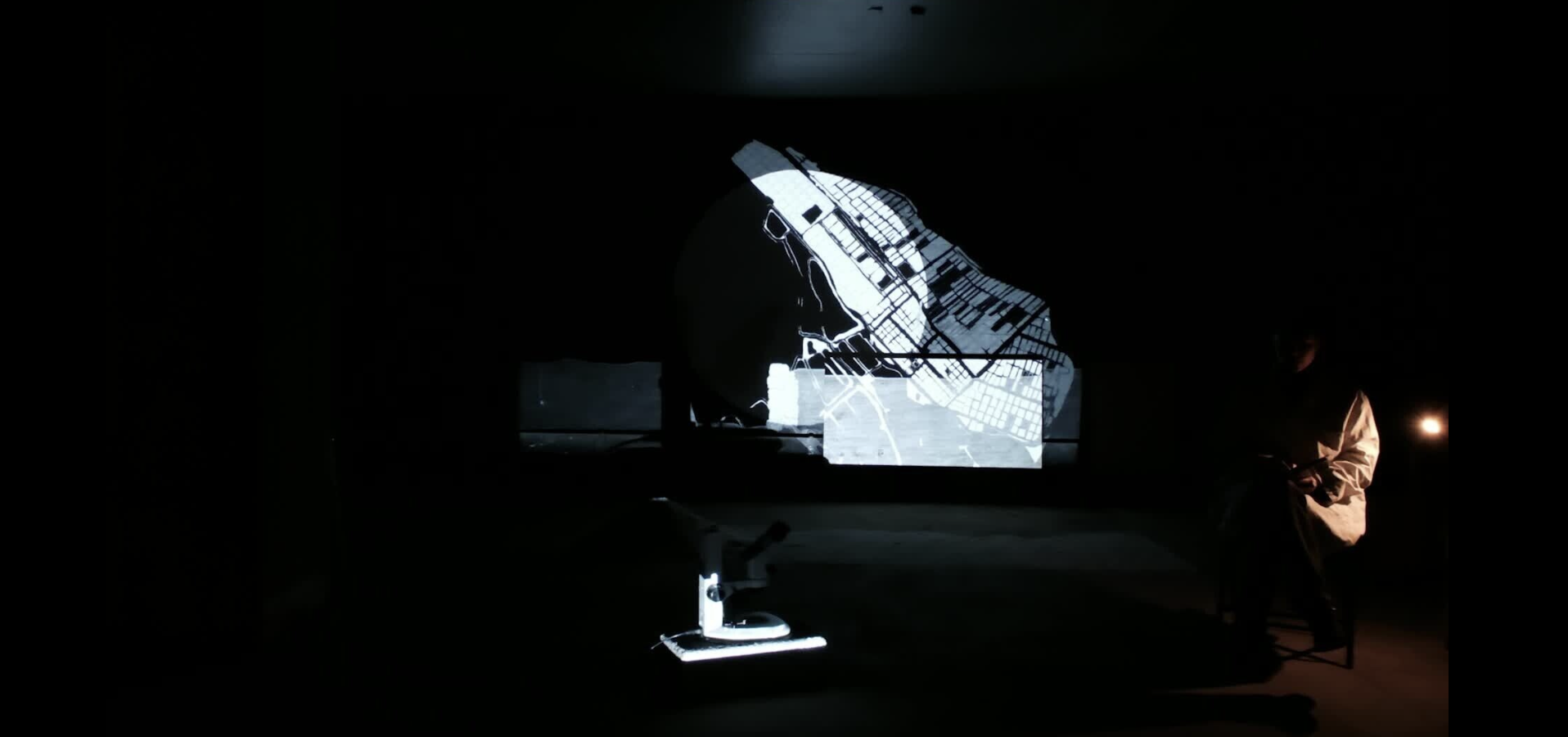
THE WANDERER
by Nora Samset
Imagine a world that is mostly hidden from our eyes, that is stretching beneath the surface of every ocean, lake, and river. That you can only see through a microscopic lens, or when they come together and bloom, you can see them from space.
Here is hidden something that provides lifeblood to our planet. PLANKTON.
Phytoplankton are tiny plants that draw their energy from sunlight, just like other plants, and they produce oxygen along the way. They are responsible for producing more than half of the Earth’s oxygen, breathing life into the very air we depend on.
Zooplankton are way bigger, and they actually eat to get their energy. Crill and fish feed on plankton, birds and sea lions feed on fish, and so do we. Plankton forms the foundation of marine ecosystems that stretches up to humans, and absorbs the carbon dioxide from the atmosphere, helping the Earth regulate its temperature.
Long before humans walked the earth, or fish swam in the seas, plankton existed. The word Plankton comes from a Greek word meaning WANDERER. And that is what they are, drifters, that drift with the river and ocean currents. Some plankton drift forever. Others grow up to become something else.
In the rugged hills of the Istrian Peninsula, a short but important river is flowing through the valleys of Slovenia and Croatia, winding its way to the North Adriatic Sea–The Dragonja River. Just like the oceans, the rivers also have currents, and the river is only the beginning of the plankton's journey. As it reaches the mouth of the river, the currents grow stronger, pushing the plankton into the shallow waters of the Adriatic Sea, taking part in a larger ecosystem invisible to most, but essential to us all - sustaining a wide variety of life in it and beyond.
Plankton are the invisible heroes of our climate system. Their abundance and diversity are a reminder of how interconnected everything is, and how their silent work keeps our planet in a delicate balance, making life possible for not just creatures at sea, but for all of us.
The Secovlje Salina, situated in the mouth of the Dragonja river, is an example of an equilibrium of nature and man rarely seen in modern times - where the hand-made salt-working activities carried out at the salt pans are as important to the local habitat as the plankton are to us. They ARE dependent on human presence.
With its complex system of dikes, canals, and pools of shallow water, the salt pans create a unique environment where both saltwater and freshwater coexist. Cold freshwater mixes with dense salty waters, and the temperatures increase. The delicate process of salt production is dependent on the right balance of salt, fresh water, and life - including plankton that thrive within it. The silent work of the plankton is maintaining the balance between too much and too little salt in the water- absorbing the sunlight and nutrients, creating the foundation of the food chain in the salt pans.